Bank of England speculation sparks backlash against dynamic pricing
Growing concern about the use of ESLs in British supermarkets since Bank of England published dynamic pricing analysis
Add bookmarkListen to this content
Audio conversion provided by OpenAI

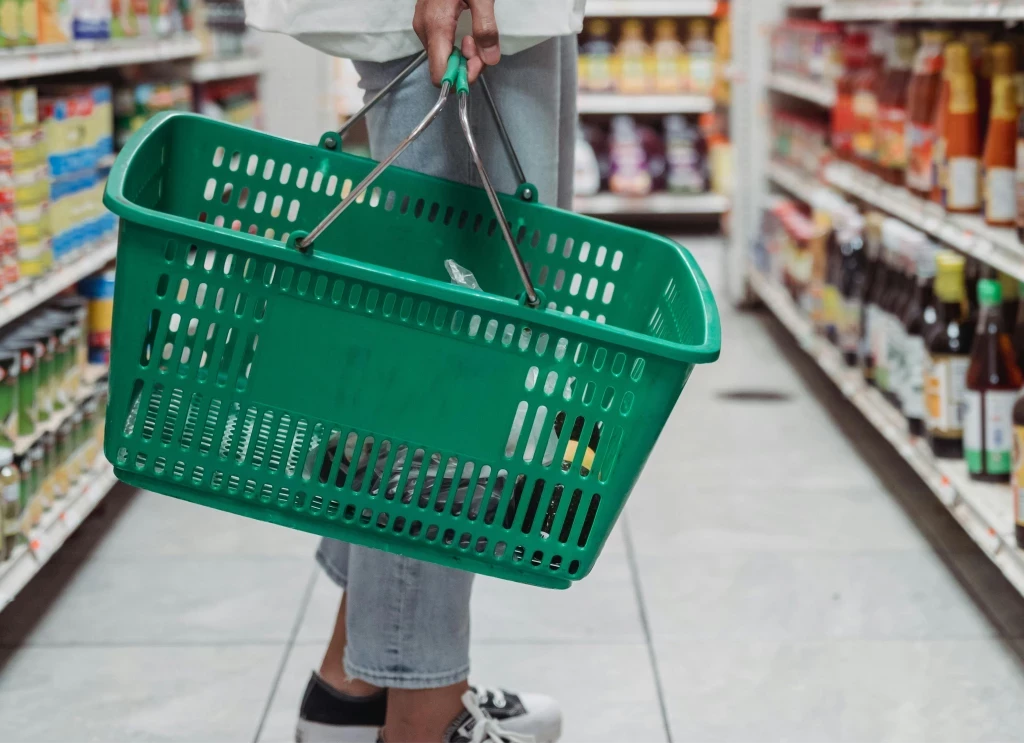
Consumers, news platforms, and online commentators in the UK are expressing concern that the use of dynamic pricing through electronic shelf labels (ESLs) is about to become widespread in British supermarkets.
In April, the Bank of England published an analysis on how algorithmic pricing, if applied by industries beyond travel and tourism, could contribute toward the UK's persistent inflation rate. The analysis stated that "some sectors" are experimenting with "technology that could enable dynamic pricing in the future", including electronic shelf labels in supermarkets, which have already been introduced in the US and Europe.
The insights have triggered a wave of public concern among UK consumers.
Research commissioned by retail loyalty company HyperFinity found that among 2,000 UK consumers only four percent "love" dynamic pricing. As many as 65 percent dislike it and 33 percent said they "hate" the idea. When asked what matters most, 91 percent prioritize clear pricing and 82 percent want pricing fairness.
Don't miss any news, updates or insider tips from CX Network by getting them delivered to your inbox. Sign up to our newsletter and join our community of experts. 
Dynamic vs personalized pricing
As explained by BoE, there is a difference between dynamic and personalized pricing.
As per its definitions, dynamic pricing is about "frequent, real-time adjustments in response to demand and supply".
Personalized pricing goes further still and "may involve tailoring the price each consumer is offered to their personal circumstances and consumption patterns", BoE says.
The bank added that both techniques introduce "opportunities for efficiency and concerns about fairness".
They also warp consumers' perceptions about price and value and, if applied across the board, would drastically alter how inflation is measured.
How widespread is the application of dynamic pricing and electronic shelf labels?
Dynamic pricing is relatively well established and has long been used in air travel and hospitality. The analysis from BoE cited how the number of hotel room rates that change at least once per month has risen from around 15 percent in 2005 to roughly 80 percent today in 2026.
Dynamic pricing is also sometimes applied to concert tickets. While buying and reselling tickets for a higher price is not new, Ticketmaster made headlines in 2024 after applying dynamic pricing to non-resale tickets for the Oasis reunion tour. This drove prices so high, an investigation was launched by the Competition and Markets Authority, which concluded Ticketmaster's pricing strategy "may have misled fans".
Electronic shelf labels (ESLs) bring dynamic pricing into physical retail, by eliminating the paper labels and replacing them with AI-driven digital labels. These can now be powered by agentic AI, which can be designed to monitor competitor prices and local demand and adjust prices accordingly.
In the UK, Morrisons, Co-op, Waitrose, and Asda are rolling out ESL technology across selected stores, with Tesco, Waitrose and Sainsbury's also reported to be engaging in trial phases.
Only days after the BoE analysis, a press release from Tesco said it was about to introduce "personalized pricing".
The UK's largest grocery chain said it plans to use Adobe AI and agentic AI capabilities to double down on anticipatory CX and personalization. While this announcement didn't explicitly mention ESLs, the release stated: "Using technology like Adobe's agentic AI capabilities and Adobe Firefly Foundry, Tesco's personalization and AI teams will be able to use its customer intelligence responsibly to help it to better anticipate customers' needs, in order to serve up cutting-edge, personalized content, offers and experiences across its digital channels."
In Europe, grocery chains such as Albert Heijn and Carrefour are already using ESLs in some stores.
In the US in 2024, Kroger faced criticism from senators after trailing ESLs alongside cameras with facial recognition to determine information about shoppers, including gender and age, with plans to push personalized offers and advertisements in response.
On the other hand, personalized pricing has long been applied to groceries in the UK through loyalty programs. Sainsbury's and Co-op push specific discounts to members based on past purchasing habits, reducing a different combination of most purchased items every week. Almost all grocery chains also now reserve their general discounts for their "loyalty" program members, effectively forcing all shoppers to become loyally members if they want to enjoy any discount on offer.
The public reaction to dynamic pricing in grocery shopping
Although ESL vendors claim the technology is "eco-friendly" and reduces labor, consumer backlash follows when ESLs are introduced. Consumers are concerned about transparency in algorithmic pricing, as well as the possibility for surge pricing to be applied to essential items such as supermarket food and drinks.
"The public will react very badly to dynamic pricing if it's delivered in the wrong way," said Thomas Hill, co-founder and retail expert at HyperFinity. "Retailers charging different prices for everyday commodities to boost corporate profits during a cost of living crisis would be a PR disaster. Personalized offers are not the same as personalized pricing, and that's likely where Tesco is heading."
Hill also said "core commodities like bread and milk" will not be subject to personalized pricing. "Our research shows customers would react extremely negatively, as it simply isn't seen as fair," he said.
ESLs are heavily reliant on AI to analyze and adjust prices in real time, which is another sticking point for consumers.
CX Network's 2026 research into the state of CX found that how AI works/ uses customer data is the number one customer behaviour trend shaping CX planning this year. So is it possible for organizations to use AI to set prices dynamically without destroying customer loyalty?
According to Hill, it is, when rooted in demand, rather than demographics.
"It works where stock is seasonal and there is sell-through, like in fashion. As long as it's transparent that people are paying different prices, it can be effective. It can make customers feel they are getting a bargain or buying a premium, rare item," he said. Demand based pricing works the other way, too, for example when a retailer has too much stock.
Where it fails, however, is when two customers pay different prices at the same time "because the retailer knows they have different demographics, gender, or profiles".
Hill added: "This is dangerous ground for a retailer. Knowing someone would pay more, but choosing to charge them differently without transparency."
"Dynamic pricing can work if it's fully transparent and the customer is given the choice to buy, knowing what others are paying. Hide it from them, and it's bad."
The links between dynamic pricing and inflation
While consumers are expressing concern about the transparency and fairness of algorithmic pricing strategies, the Bank of England is concerned about how constant price fluctuations will influence the Consumer Price Index (CPI), which is used to measure inflation.
In the UK, inflation stood at a little under one percent in early 2021, then reached a 41-year high of almost 10 percent in November 2022. Since December 2023, it has tracked between four percent and two percent.
To calculate inflation, the CPI tracks the cost of more than 700 everyday goods and services purchased by households, such as food and drink, petrol and diesel, home delivery charges, passport and driving test fees, and clothing.
To ensure inflation measurements are reflective of everyday spending, BoE omits price data from hotels and airlines, as these are often dynamic. However, when it comes to grocery pricing, since 2026, the CPI measure has also captured loyalty discounts and person-specific discounts from retailers.
The bank said in April that the rise in personalized pricing "splinters the consumer experience and raises the question of what it really means for a price to be representative".
However, for now, BoE has concluded that "algorithmic pricing does not appear to be an inflationary menace and is used more to manage capacity than raise prices".
Whether this outlook will change if dynamic pricing is applied beyond discretionary items such as holidays remains to be seen.
Quick links
- Macy's AI shopping assistant drives 400% spending surge
- UK regulator tells driving schools to reverse hidden fees
- What's happening to Target's customer experience in 2026?
Register now for Mastering CX: AI Agents 2026 for an immersive experience where you'll get hands-on exposure to AI agents in action. Mastering CX: AI Agents 2026