CX Travel and Hospitality Exchange - Day 1
7:15 - 8:15
Registration, Breakfast, & Networking
8:15 - 8:20
Program Director's Welcome
8:20 - 8:30
Chair's Opening Remarks
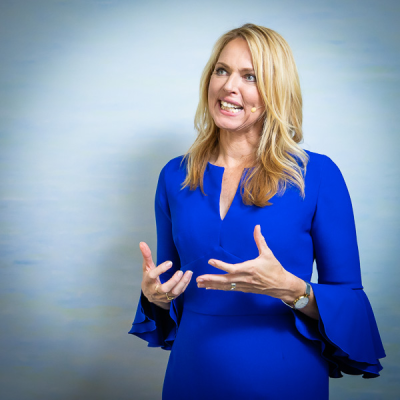
Nienke Bloem -
Professional Customer Experience Expert,
Nienke Bloem Services BV

8:30 - 9:15
Panel Discussion | Adopting the Inevitable: Embrace AI to Drive Efficiency, Loyalty & Growth or Fall Behind?
Timo Järvelä -
Vice President of Business Development,
Finavia (Helsinki Airport)
Mirco Patroncini - Chief Technology Officer, lastminute.com
Matthias Brazel - Senior Director of Digital Ground Experience, Lufthansa
Suzi Bentley-Tanner - Partner, Gate One Consulting
Nienke Bloem - Professional Customer Experience Expert, Nienke Bloem Services BV
Since the mainstream adoption of Gen AI in 2022 (the year ChatGPT was released to the public), AI is both revered and feared. Nonetheless, now that the travel & hospitality industry has had a few years to acclimatise to the ever-evolving phenomenon, AI doesn't cease in presenting infinite opportunities for efficiency gains. Therefore, how do we embrace the inevitable?
• While AI continues to present a challenge for online travel agencies, replacing a core selling point of the sector, in a world where we have no choice but to accept AI's innovations, how can OTA's, airlines, airports, and cruise lines embrace AI to survive?
• Which parts of customer experience require humans and which parts of the business do customers trust AI to handle?
• Should you take the plunge and integrate AI into all aspects of your customer experience at speed or implement a phased transition with a blend of manual operation and automated systems?
Sponsored by: Gate One







9:15 - 9:45
Sponsor Presentation | How to Build Voice AI Agents that Actually Work: Powering Profitability & Personalisation
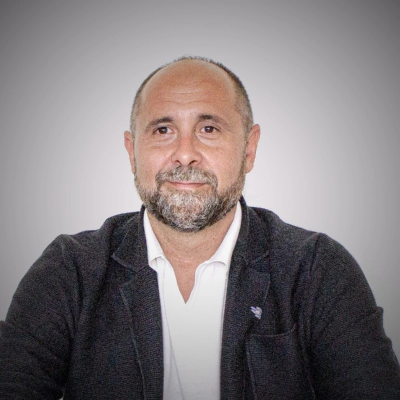
Carter Koch -
Strategic Account Executive,
Simple AI
Simple AI share how their team designs, builds, and deploys enterprise-grade AI phone agents for iconic businesses. In this masterclass, they'll walk through the real-world process: from getting started and writing effective evaluation frameworks to QAing conversations and cloning lifelike voices that align with a brand. You'll learn practical techniques and hard-won lessons from deploying production agents at scale that sound realistic and drive measurable business results.
Sponsored by: Simple AI



Everyone is testing Generative AI, but few have integrated it into real-time operational workflows and data structure. This session focuses on how airlines, hotels, and TMCs (Travel Management Companies) can move past the experimentation phase to build scalable "Systems of Execution."
• Learn how to shift from "Chatbots" to "Systems of Execution" and the Agentic AI Leap
• Gain insights into how to upgrade the foundation: AI-ready data architecture
• Glean how to deliver real-time hyper-personalization and "Human Touch" ROI
Sponsored by: EXL



Think Tank 2
10:25 - 10:55 Creating Long-term Loyalty: When Humans and AI Work as One Rob Wright - Chief Product Officer, ZenerateAs AI takes on a greater role in the customer journey, CX leaders face a new challenge: how do you ensure employees and AI are working toward the same definition of a great customer experience, and creating the kind of experiences that earn long-term loyalty? In hospitality and travel, that challenge is especially visible. Guests experience one brand, whether they are interacting with a frontline employee, a contact centre agent or an AI-powered service. Every interaction can strengthen, or weaken, the trust and connection that influence whether a guest returns. Yet behind the scenes, Learning, QA, CX, Operations, and AI teams are often working from different standards, measures and sources of insight.
- Learn where is AI enhancing the guest journey, and where is it creating new friction and answer how organizations can learn to balance automation with human empowerment
- Gain insights into shared standards, real interaction data and continuous feedback and how these can improve both employee and AI performance
- Glean what is working, what isn't, and where the remaining gaps are when it comes to building AI and employee performance strategies that strengthen customer satisfaction, trust, and long-term loyalty
Sponsored by: Zenarate



Perhaps one of the most pressing questions that many CX executives are pondering right now is: Where in the chain do we step in? There remains ever growing trust issues between CX executives and AI solutions in terms of AI's abilities to act in a human and empathetic way so gleaning when AI should step in and step back is vital.
• Defining the points at which a human should step in within the CX process after AI solutions have been integrated
• Learning about cases, such as hallucinations, where AI should be viewed with scepticism and cases where it can offer huge efficiency gains
• Exploring the ways in which AI can contribute to operational efficiency, improving employee experience, and increasing ROI


11:35 - 12:05
Presentation: Managing Machines Like People: Turning AI Agents into Scalable Teams that Transform CX and Business Performance
Ewelina Kolodziej Tyczka -
Customer Service Director,
eSky
As AI rapidly evolves beyond chatbot pilots, forward-thinking organisations are beginning to integrate AI agents as true members of their customer service teams. At eSky, AI agents are not treated as tools, but as employees; recruited, onboarded, and performance-managed alongside human teams within a 58+ market operation. Explore how to operationalise AI within customer service by applying proven people management principles to digital agents.
• Learn how to define, evaluate, and "hire" AI agents as part of your workforce, ensuring the right fit for your organisation and the tangible benefits for customers and businesses
• Discover best practices for onboarding AI, including training data preparation, system integration, and performance measurement
frameworks
• Understand the importance of a dedicated AI management team and the skills required to continuously improve AI-driven customer service


12:05 - 12:40
Sponsor Presentation | Crafting Customer Experience with AI: How Travel & Hospitality Scale Expertise, Empathy, and Brand Voice at Every Touchpoint
Hamish Campbell -
Solution Engineer Europe,
Sierra
Understanding how human-feeling AI can drive smoother service, smarter recommendations and stronger customer connections is vital in today's tech-driven CX landscape. We'll uncover how to employ AI agents to provide real-time customer service and explore the possibility of AI acting empathetically whilst reflecting a company's brand tone to ultimately, make a customer feel supported.
Sponsored by: Sierra


12:45 - 13:15
1:1 Business Meetings
13:20 - 14:10
Networking Lunch
Mykhaylo Hnatyev - Director of Relationships & Growth, ELEKS
Every travel and hospitality brand has an AI roadmap, but many are discovering that implementing AI is the easy part, making it deliver meaningful customer outcomes is far more difficult. Fragmented data, legacy technology, unclear governance, and misplaced automation can quickly create friction rather than remove it. Explore how organisations can bridge the gap between customer expectations and operational reality, ensuring AI becomes a driver of exceptional experiences rather than technical debt.
Sponsored by: ELEKS





14:50 - 15:20
Panel Discussion | The Comparison Trap: Levelling Up Your Customer Service to Stand Out & Establish Lifelong Loyalty
Mia Sawaya -
Head of Customer Contact Centre,
B&B HOTELS Group
Nienke Bloem - Professional Customer Experience Expert, Nienke Bloem Services BV
Gareth Behn - Head of AI Product, The Travel Corporation
Nick Farinha - Director of Enterprise CX Product and AI, Gamma Telecom
Post pandemic we've reached a new age where efficiency and personalisation are improving at speeds never before witnessed. Not only are customers comparing airlines, hotels, and travel providers on an international scale, they are now comparing their experiences to the likes of Amazon, Netflix, and Uber. Where one bit of customer service shapes the customers' perception of the next, the question is: How can your business overcome the comparison trap by stepping up to the mark and making its customer service unbeatable?
Sponsored by: Gamma







15:20 - 15:50
Sponsor Presentation | The Connected Traveler: Turning Fragmented Data into Predictive, Profitable CX
Jack Bunnage -
Account Director,
Treasure AI
Travelers experience a seamless, connected journey, yet travel and hospitality organisations often encounter a fragmented series of interactions—from bookings and loyalty activities to digital behavior, service conversations, operational disruptions, and post-trip feedback. This disjointed perspective makes it challenging to anticipate customer needs, resolve issues swiftly, and deliver consistent, relevant experiences.
- Understand how fragmented data creates friction throughout the traveler journey.
- Explore how Treasure AI leverages predictive analytics to anticipate customer needs and elevate service quality.
- Learn how AI-driven CX initiatives translate into measurable improvements in revenue, cost efficiency, productivity, and loyalty.
Sponsored by: Treasure AI



Explore how you can design loyalty strategies that go beyond points and perks to build meaningful, long-term customer relationships. Participants will share insights on balancing personalisation, partnerships, and profitability whilst adapting to shifting customer behaviours.


16:30 - 17:00
1:1 Business Meetings
17:05 - 17:35
Presentation | Travelling from a Service to an Experience Economy: Using Storytelling to Design Emotional Loyalty, Drive Customer Acquisition, and Grow Customer Value in Travel and Hospitality
Ganna Koval -
Vice President of Loyalty Programs, B2B, & Promotions,
Minor Hotels
As travel and hospitality evolve from service-led industries into experience-driven ecosystems, customer expectations are shifting beyond product quality and transactional service. Today, brands are increasingly defined by the emotional relevance, memorability, and personal meaning they create throughout the customer journey.
This keynote explores how storytelling can move beyond traditional marketing to become a strategic tool for shaping customer perception, emotional connection, and long-term loyalty. From inspiration and anticipation to on-property experiences and post-stay engagement, every touchpoint has the potential to contribute to a cohesive and memorable brand narrative.
The session will also examine how hospitality and travel brands can transform experiences into lasting customer relationships through relevance, recognition, personalization, and curated moments that customers genuinely remember and value.
• Learn how customer expectations are shifting from transactional value toward emotional and experience-led engagement
• Gain insights into how storytelling can be embedded across the customer journey to strengthen acquisition, differentiation, and brand perception
• Glean how hospitality and travel brands can create long-term loyalty by designing experiences that customers emotionally connect with and remember


17:35 - 18:05
Panel Discussion | Luxury Vs Budget: How Can We Improve Our CX Strategies in an Age of Blurring Customer Bases?
Valentina Cesani -
Chief Customer Officer,
Rail Europe
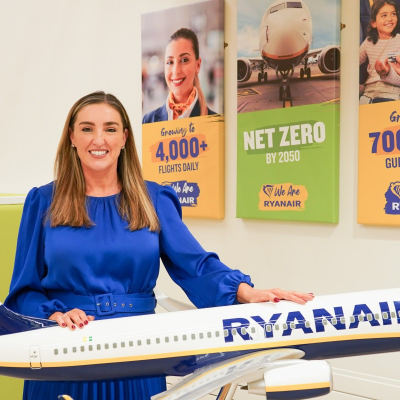
Sinead Quinn - Director of Inflight, Ryanair
Lathana Jadah Hawkins - EVP of Growth Strategy, Atain
Tom Davis - Senior Director of Operational Excellence, TravelPerk
In a saturated travel and hospitality market, the lines between luxury and budget are blurring, with both taking customers from each other's bases as the cost of living rises and accessibility increases. With increasing expectations, customers expect seamless service, personalisation, and value at every price point. Leaders from both segments explore how luxury and budget brands can learn from each other's CX strategies and commercial approaches to drive innovation, profitability, and guest loyalty.
• How is value being redefined for each segment, and what can they borrow from one another to meet evolving customer expectations?
• Where is the optimal balance between budget's cost discipline and standardised delivery and luxury's differentiation and emotional connection to acquire customers and achieve loyalty?
• How are both segments leveraging technology differently to scale innovation and elevate customer satisfaction without eroding brand identity or margins?
Sponsored by: Atain







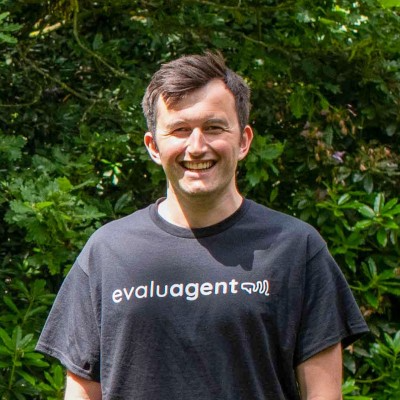
AI agents are arriving in guest experience faster than the standards that govern them - sometimes as full-scale chatbots, sometimes as small pilots, sometimes as a board-level question still being scoped. Whichever stage you're at, the same issue surfaces: when an AI agent makes a decision on your brand's behalf, who decides whether it did the job well, and on what evidence? This roundtable brings together senior CX and customer-service leaders to discuss how to build independent quality and accountability into AI deployments - from the design stage through to live operation and continuous improvement - without depending on the vendors who built the bots to grade their own work.
Sponsored by: Evaluagent


Every multi-location operator now has more customer, operational and market signal than ever, and AI is only accelerating that. But knowing what's wrong across your locations isn't the same as fixing it. This roundtable explores the gap between insight and action: why so much CX and ops data never turns into a task, a fix or a change on the ground, and what it actually takes, people, process, AI, to close that gap at scale without losing standards or accountability as you grow.
Sponsored by: Serve First