CX Healthcare Exchange East - Day 1
8:30 am - 8:35 am
CX Healthcare Exchange Welcome
8:35 am - 8:45 am
Chair’s Opening Remarks
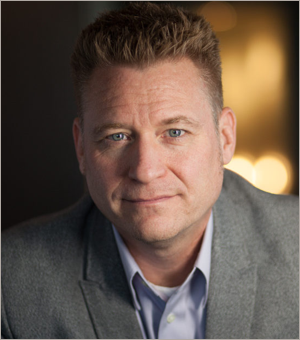
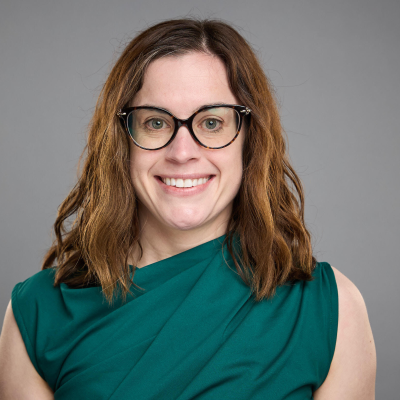
Nicole Cable -
Chief People and Experience Officer,
C3 Health

8:45 am - 9:15 am
Opening Keynote: When AI Recommends Your Health System - Preparing for the Next Era of Patient Experience
Jennifer Carron -
PFAC Co-Chair,
Missouri Hospital Association
The patient journey is changing before our eyes. Increasingly, patients are turning to AI-powered search and large language models to compare providers, understand treatment options and decide where to seek care. As AI becomes a new front door to healthcare, health systems must consider how they're represented, whether the information patients receive is accurate and how digital trust influences patient choice.

9:15 am - 9:45 am
Fireside Chat: Every Member, a Different Program - Bringing AI Into Benefits Support
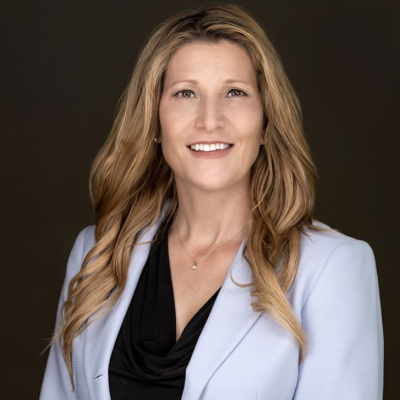
Chris LaFleur -
Founding US Growth Team Member,
Lorikeet
Kristi Miller - Director of Member Experience, XP Health
Aidan Rawlings - Forward Deployed Product Manager, Lorikeet
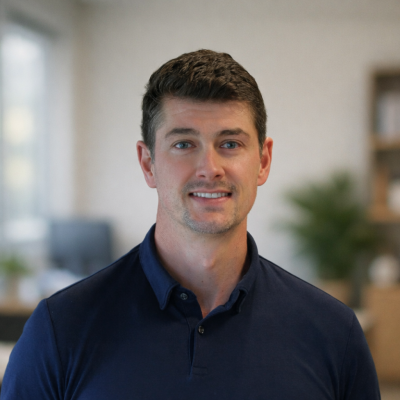




Join Steve Smith to hear the Inova Health story of its redesigned contact centre to give patients faster, more reliable access to care while freeing live agents to focus on more complex needs. Through collaborative discussion, explore how your own strong processes, evolving KPIs, frontline insight, change management and close partner alignment could help turn early friction into measurable improvements.
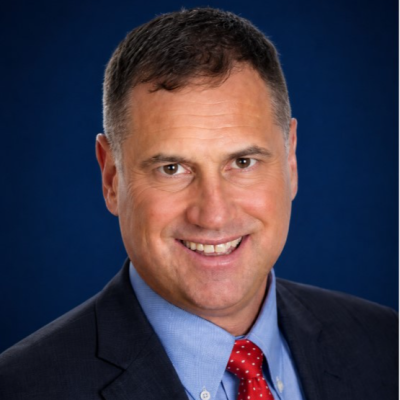
Steve Smith
Assistant Vice President of Enterprise Contact Center & AccesInova Health System

11:35 am - 12:05 pm
Panel Discussion: From Automation to Experience: Is AI Ready for Patients?
Chris LaFleur -
Founding US Growth Team Member,
Lorikeet
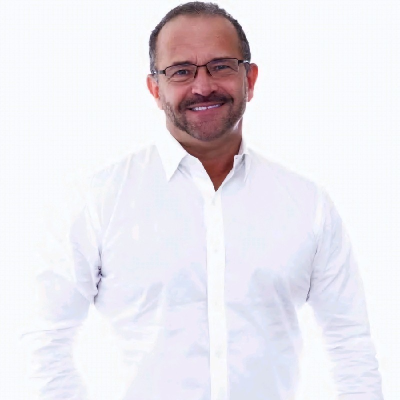
Timothy Rauschenbach - Vice President of Patient Engagement, Millennium Physician Group
Dale Sturgill - VP of Contact Center Strategy, Memorial Hermann Health System
Bindu Chanagala - VP Performance Insights, Data Analytics for the Population Health Services Org, CommonSpirit Health
GK Pitchumani - Chief Information Officer, CareMore Health
Healthcare organizations have moved beyond experimenting with AI and are now asking a more important question: where does it genuinely improve patient experience? While automation has reduced administrative burden, patients still expect empathy, transparency and human connection. This panel explores where AI delivers measurable value today, where organizations should proceed with caution, and how patient experience leaders can balance innovation with trust, governance and clinical responsibility.

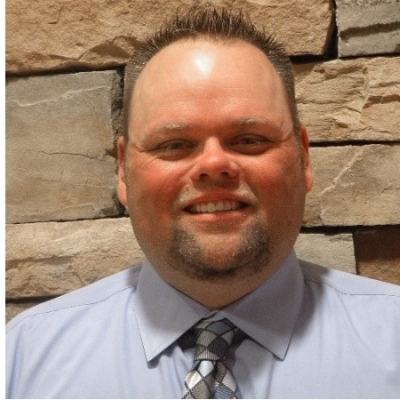
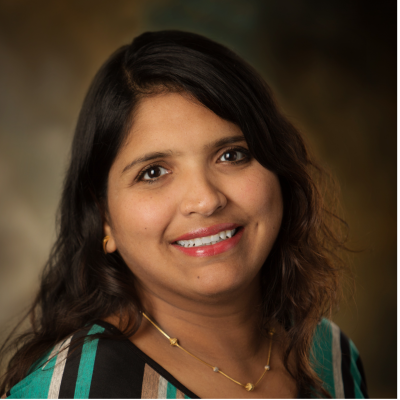
Bindu Chanagala
VP Performance Insights, Data Analytics for the Population Health Services OrgCommonSpirit Health



12:05 pm - 12:35 pm
Presentation: Patient Engagement That Drives Outcomes and Operational Efficiency
April Jones -
Executive Vice President, Provider Solutions,
PatientPoint
Health systems are under growing pressure to improve patient experiences while easing strain on stretched teams. Engagement has evolved beyond basic touchpoints like appointment reminders into a strategic lever that reduces friction, improves communication, and encourages patients to take a more active role in their care.
This session explores how leading healthcare organizations are putting engagement and education to work across the patient journey to create outcomes that are both measurable and sustainable.
Key takeaways:
• Discover how personalized engagement and education can improve patient activation, adherence and outcomes.
• Explore practical ways to deliver scalable engagement across the care journey that reduces friction for both patients and staff.
• Walk away with strategies to drive measurable impact on patient experience and operational efficiency
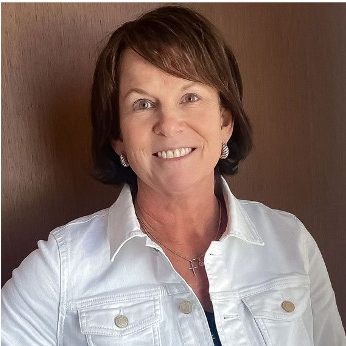

Healthcare is richer in data than ever, yet harder to capture meaningful feedback. In this Think Tank, participants will explore how to move beyond traditional surveys, combining feedback and operational data to generate more actionable insights and turn them into consistent, sustainable improvements.
1:10 pm - 2:10 pm
Networking Lunch
2:10 pm - 2:40 pm
1:1 Business Meetings & Networking
2:45 pm - 3:15 pm
Presentation: Beyond the Bedside - Where Agentic AI Is Moving the Needle on Patient Experience
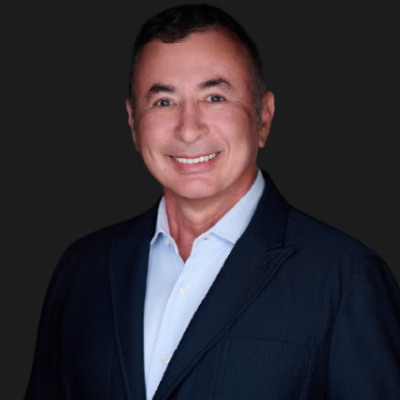
Frank Fawzi -
President and CEO,
Aqurio
Frank Fawzi spent years listening to healthcare leaders describe the same frustration from the inside: teams that were good, intentions that were good, and volume that was simply more than human staff could ever fully cover. The call that rang until someone gave up. The care gap that stayed open another quarter because the recall list was 3,000 names long. The account that aged off the books because a stretched billing team never got to it.
What changed wasn't just the technology. It was the convergence of three things at once: for the first time, AI that could finally complete real operational work in high-stakes environments, not just answer questions; an operational crisis in healthcare that was getting worse; and a team with the specific expertise to do something about it. That convergence is the reason Aqurio exists, launched in July 2026 at the intersection of agentic AI and the patient experience challenge nobody had solved yet.
This session is part origin story, part field report. Frank will share what he saw, why he moved, and what building Aqurio revealed about where AI in healthcare is actually working and where it's headed. The thesis: the biggest, fastest wins right now aren't the shiny ones. They're scheduling, access, and billing. The front and back office. But getting that layer right isn't just about operational efficiency, it's about building the organizational trust that earns the right to take AI deeper, into care gap management, post-procedure follow-up, and the clinical-adjacent interactions that determine whether a patient stays connected to their care.
Aqurio was built specifically for this intersection: one platform, running in every direction of the patient relationship.
Takeaways:
• The origin story: what converged in 2026 to make Aqurio possible, and why the intersection of agentic AI and healthcare CX is the most important problem in the space right now
• Why the biggest unlock in healthcare AI is operational: where friction is measurable, ROI is fastest, and organizational trust gets built
• How agentic AI differs from the chatbot/IVR generation: AI that completes the interaction — books the appointment, works the balance, closes the care gap — with real escalation when it matters
• What comes next and why Aqurio is built to go there

3:15 pm - 3:45 pm
Panel Discussion: Walk a Mile in Their Shoes - Improving Patient Experience Starts with Understanding the Journey
Nicole Cable -
Chief People and Experience Officer,
C3 Health
Olive Minor - Senior User Experience Researcher, Anthro-Tech
Kristy Schmidt - SVP and Chief Experience Officer, Onvida Health
Hannah Murphy - Executive Director, Patient Experience, Providence
Andro Herrera-Mendoza - Senior Vice President - Chief Innovation Officer, PAM Health
Healthcare organizations continue to invest in new technologies, AI tools, and digital experiences to improve patient access and experience. Yet many patients still struggle to navigate care across departments, providers, communication channels, and systems . Rather than focusing on tools alone, this session centers on how healthcare organizations can design services around patient needs, operational and provider realities, and measurable outcomes. The panellists will showcase strategies for scaling thoughtfully, drawing on lessons from consumer engagement and community partnerships to build trust, equity and loyalty.






Lightning Debates encourage quick thinking, concise expression, and active engagement. The debates are intellectual sprints, challenging you to articulate viewpoints on controversial issues effectively within tight time constraints. Vote with your feet, choose a side and defend your point of view.
5:00 pm - 5:30 pm
Case Study Presentation: From Staff Voice to Patient Value: Culture Change That Moves the Needle
Exceptional patient experiences begin with engaged and empowered staff. As healthcare organizations face workforce pressures, experienced leaders are increasingly recognizing that listening to employees, fostering a culture of continuous improvement and empowering frontline teams are essential to delivering better care. This session explores how health systems are creating feedback-driven cultures where staff insights lead to meaningful operational improvements, stronger employee engagement and more consistent patient experiences.
5:30 pm - 6:00 pm
Solution-Swap Champaign Roundtables
Keith Deaven - CEO and Co-Founder, Mediabarn
HCAHPS provides an important view of patient experience, but it doesn't tell the whole story. Gaining deeper insight doesn't automatically equate to more surveys or the adoption of new AI technologies. Health systems may already have access to valuable sources of patient, experience and operational data that they may be overlooking. The challenge is understanding what those sources are, what they can measure, and finding practical ways to fill the gaps.